Ever wondered why your social interactions feel like navigating a maze with no map? Or why you sometimes feel like the only person in a room who sees a different color spectrum? Adult autism assessment is the compass that helps untangle these mysteries, and the psychologist is the seasoned guide on that journey. In this article, we’ll explore the psychologist’s role in adult autism assessment, from gathering clues to charting a path forward. We’ll keep the tone professional, sprinkle in a touch of humor, and aim for clarity—so you can walk away with a solid understanding of what to expect and how to choose the right expert.
Overview of Adult Autism Assessment
Adult autism assessment is a multi‑layered process that goes beyond a quick questionnaire. It’s a holistic evaluation that considers developmental history, current functioning, and potential co‑occurring conditions. The psychologist is the orchestrator who brings together:
- Clinical interviews to capture life story and symptom patterns. Standardized tests that measure cognition, executive function, and social perception. Collateral information from family, partners, or employers when appropriate.
The goal? To determine whether autism is present, to rule out other diagnoses, and to identify strengths and challenges that can guide support strategies. In this dance, the psychologist leads, the client follows, and the results are the music that informs future steps.
The Psychologist’s Toolbox
Like a chef with a well‑stocked pantry, a psychologist uses a variety of tools to assess adult autism. Below are the key instruments in their kit:
- Developmental History Interview – A conversation that reconstructs early childhood behavior, communication patterns, and sensory experiences. Cognitive and Neuropsychological Tests – Measures of memory, attention, and problem‑solving that help differentiate autism from other conditions. Social Responsiveness Scales – Questionnaires that gauge social reciprocity and interaction. Sensory Profile Assessments – Exploration of sensory sensitivities or preferences. Observational Checklists – Real‑time notes on behavior during the assessment session.
Each tool offers a different lens. Together, they form a mosaic that captures the full picture. The psychologist decides which pieces fit best, adjusting the mix based on the individual’s unique story.
How the Assessment Process Works
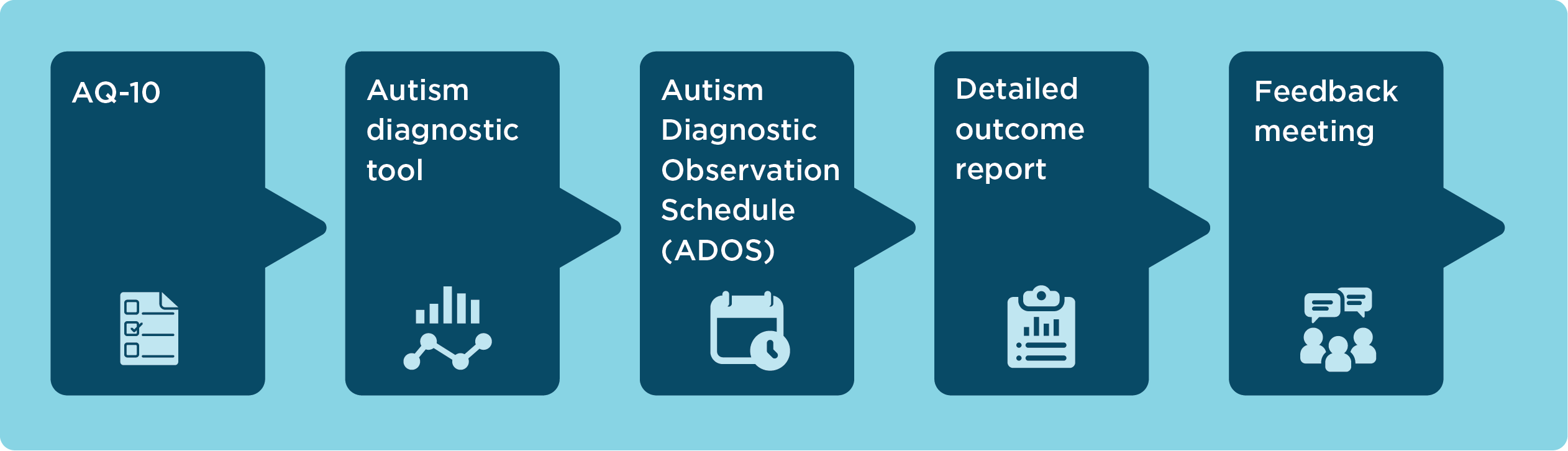
The assessment unfolds in stages, much like a detective story where clues are collected, examined, and pieced together. Here’s a typical roadmap:
1. Initial Consultation
- Purpose: Clarify concerns, set expectations, and gather preliminary information. What Happens: A brief interview and review of any existing records.
2. Comprehensive Evaluation
- Purpose: Dive deep into history, behavior, and cognition. What Happens: A series of interviews, tests, and observational sessions spread over one or more appointments.
3. Synthesis and Feedback
- Purpose: Bring all data together into a coherent report. What Happens: The psychologist writes a detailed summary, discusses findings, and offers recommendations.
4. Follow‑Up and Planning
- Purpose: Translate assessment into actionable steps. What Happens: Development of individualized support plans, referrals, or therapeutic options.
Throughout, the psychologist maintains a collaborative tone—think of them as a co‑author of your personal narrative rather than a distant authority. This partnership ensures that the assessment is not just a label but a springboard for empowerment.
Interpreting Results and Planning
Once the data is collected, the psychologist’s job shifts from detective to strategist. They interpret the findings, often in a session that feels like a “big reveal” moment. Here’s what to expect:
- Diagnosis (if applicable): A clear statement about the presence or absence of autism. Strengths and Challenges: Highlighting areas such as detail orientation, pattern recognition, or social communication hurdles. Co‑Occurring Conditions: Identification of anxiety, depression, ADHD, or sensory processing disorders. Recommendations: Tailored suggestions for therapy, workplace accommodations, and self‑advocacy strategies.
The psychologist may use a metaphor: “Imagine you’ve just built a detailed map of your city. Now we’re going to plot the best routes to your goals.” This analogy helps clients understand how the assessment results inform future decisions.
> “You have to be a little bit different to do something different.” – Dr. Temple Grandin

This quote reminds us that the assessment is not a verdict but a recognition of individuality—a celebration of the unique ways the brain can work.
Beyond Diagnosis: Support and Advocacy
A diagnosis is only the first chapter. The psychologist’s role extends into ongoing support and advocacy. They may:
- Provide Psychoeducation: Helping clients and families understand autism’s nuances. Facilitate Therapy Referrals: Connecting to occupational therapy, social skills groups, or counseling. Advise on Workplace Accommodations: Guiding employers on reasonable adjustments. Support Self‑Advocacy: Teaching skills to communicate needs effectively.
Think of the psychologist as a lifelong coach—one who keeps the momentum going after the assessment is complete.
Choosing the Right Psychologist
Finding a psychologist who feels like the right fit is crucial. Consider these criteria:
- Specialization in Adult Autism: Look for clinicians who routinely assess adults, not just children. Experience with Co‑Occurring Conditions: Many adults have anxiety or ADHD alongside autism. Assessment Approach: Does the psychologist use a multimodal, evidence‑based strategy? Cultural Competence: Sensitivity to your background and identity. Communication Style: Clear, empathetic, and collaborative.
When you meet a potential psychologist, ask:
- “What assessment tools do you use, and why?” “How do you incorporate my personal history into the evaluation?” “What support do you offer after the assessment?”
These questions help gauge whether the psychologist’s style aligns with your needs.
Making the Assessment a Turning Point
The journey through adult autism assessment can feel like stepping into an unfamiliar room—there’s curiosity, a touch of anxiety, and the hope of clarity. The psychologist, with their toolkit and expertise, turns that room into a well‑lit space where you can see the layout of your strengths and challenges. From there, you can chart a path that leverages SCQ (Social Communication Questionnaire) your unique gifts and addresses your needs.
If you’re considering an assessment, remember: the goal isn’t just a label—it’s a roadmap to better understanding, Continue reading support, and self‑advocacy. Reach out to a qualified psychologist today, and let the journey begin.