When a child’s world feels like a constant buzz of noise, a kaleidoscope of textures, or a swirl of overwhelming sensations, parents often wonder: Is this sensory processing disorder (SPD) alone, or could autism be part of the picture? In Australia, the pathway to an autism assessment for a child with SPD can feel as tangled as a headphone cord. This guide untangles that journey, offering clear steps, practical tips, and a touch of light humor to keep the road less daunting.
Understanding the Landscape
What is a Sensory Processing Disorder?
SPD is not a medical diagnosis per se but a term clinicians use to describe how a child’s nervous system interprets sensory input. Think of it as the brain’s “filter” being a bit off‑kilter—too sensitive to certain sounds, or perhaps ignoring others entirely. This can manifest as a dislike for certain textures, an overreaction to bright lights, or an insistence on sameness.
How SPD Relates to Autism
Research shows that up to 70 % of children with autism also experience sensory challenges. SPD can therefore be a red flag for autism, https://emilioqclo304.tearosediner.net/autism-early-signs-in-toddlers-who-have-difficulty-with-social-interactions-in-the-playground-1 but it’s not a guarantee. A formal autism assessment helps determine whether sensory issues are part of a broader neurodevelopmental profile.

> “The brain is a complex orchestra, and sometimes the instruments get out of sync,” says Dr. Temple Grandin, a prominent advocate for people on the autism spectrum. “Understanding the harmony—or lack thereof—requires a professional listening.”
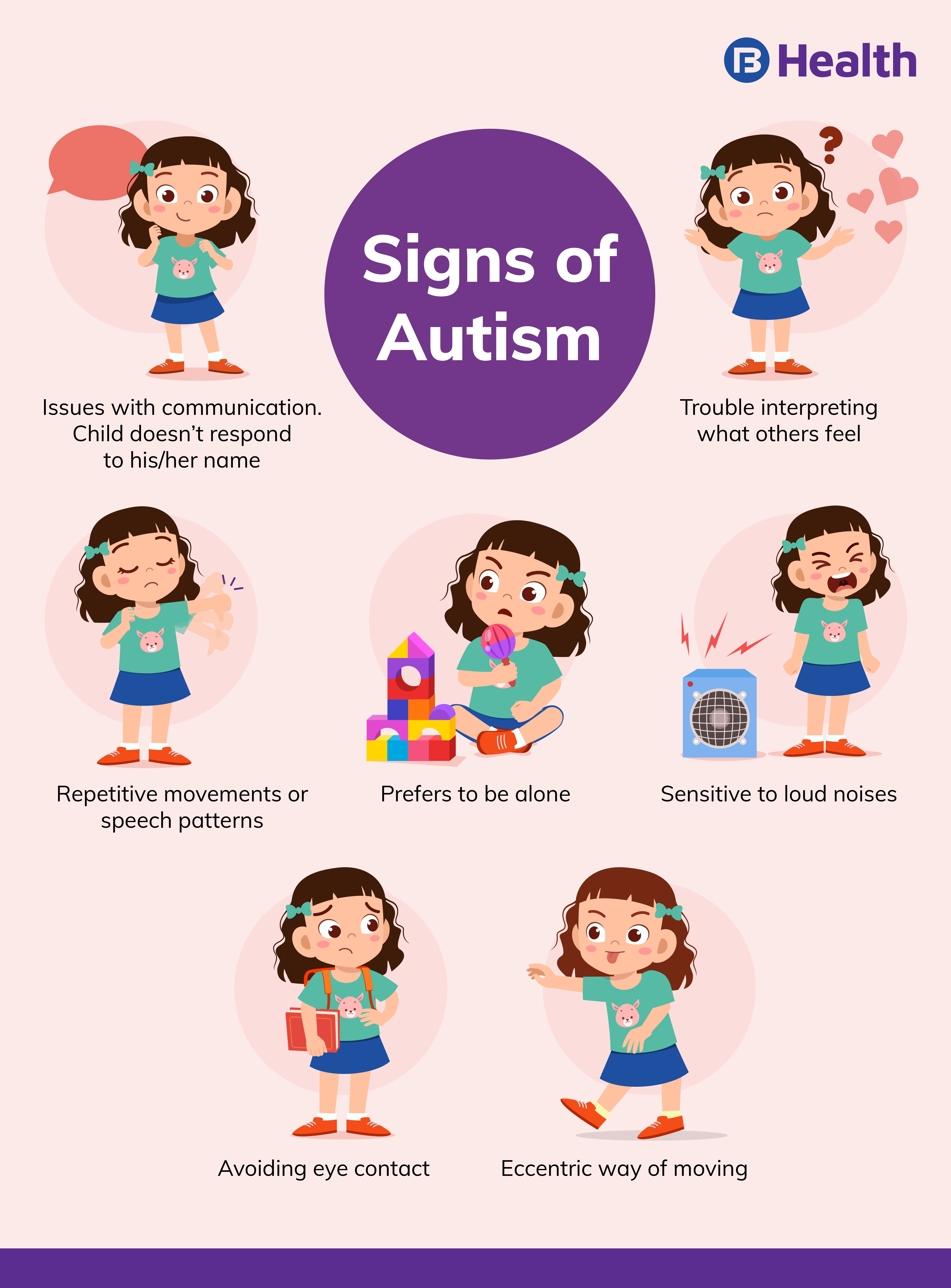
First Steps: Recognising the Need for an Assessment
Before you start filling out forms, ask yourself:
- Does my child avoid certain foods, textures, or activities because of sensory overload? Are there patterns of behavior that feel “outside the box” but aren’t explained by anxiety or ADHD alone? Does my child have difficulty following instructions or social cues, especially in noisy environments?
If you answered “yes” to several questions, it’s time to consider an assessment. Here’s a quick checklist to help you decide:
- Persistent sensory aversions that interfere with daily life Social or communication challenges that seem unrelated to sensory issues Developmental delays in language or motor skills Parental concern about overall wellbeing
Navigating the Australian Health System
Public vs Private Pathways
Australia offers both public and private routes to autism assessment. The public route typically involves a referral from a General Practitioner (GP) to a child psychologist or developmental Referral to specialist pediatrician. The private route can be faster but may involve out‑of‑pocket costs unless covered by private health insurance or a specific state program.
| Pathway | Pros | Cons |
|---------|------|------|
| Public (GP referral) | Free or low cost; integrated with public services | Longer wait times |
| Private | Quicker access; specialist options | Higher upfront cost |
Key Resources and Contact Points
- Australian Autism Spectrum Disorder (ASD) Service – State‑specific programs (e.g., New South Wales’ ASD Early Intervention Services) National Disability Insurance Scheme (NDIS) – Funding for support services post‑assessment Australian Psychological Society – Directory of accredited psychologists Child and Family Services – Local agencies offering assessment vouchers
Preparing for the Assessment
Gathering Documentation
An organized dossier can speed up the process and give assessors a clearer picture:
- Developmental history: milestones, any previous evaluations School reports: academic performance, behavior notes Medical records: any relevant health issues or medications Sensory diary: a week‑long log of sensory triggers and coping strategies
Working with Your Child’s School
Schools often play a pivotal role. Request a meeting with your child’s teacher and the school psychologist. Together, you can:
- Identify sensory challenges in the classroom Discuss accommodations (e.g., noise‑cancelling headphones, a quiet space) Share insights that may inform the assessment
The Assessment Process Explained
What to Expect
An autism assessment is a multi‑disciplinary dance involving psychologists, speech therapists, occupational therapists, and sometimes neurologists. It typically spans:
Initial interview with parents Observational assessments in a controlled setting Standardized testing (e.g., ADOS‑2, Vineland Adaptive Behavior Scales) Sensory profiling using tools like the Sensory Profile 2 The goal? To paint a comprehensive picture of how your child’s brain processes information and interacts with the world.
Common Tests and Tools
- ADOS‑2 (Autism Diagnostic Observation Schedule) – Structured play and interaction tasks Vineland Scales – Adaptive behavior and communication Sensory Profile 2 – Parent‑reported sensory processing patterns Cognitive assessments – IQ tests to rule out other developmental issues
After the Diagnosis: What Comes Next?
Developing an Individualised Plan
Once the assessment is complete, the team will craft an Individualised Education Plan (IEP) or an Early Intervention Plan. These documents outline:
- Specific goals (e.g., improving social interaction, reducing sensory triggers) Targeted therapies (speech, occupational, behavioral) Progress monitoring schedule
Support Services and Funding
- NDIS: Once eligibility is confirmed, you can access funding for therapies, assistive technology, and home modifications. State‑based programs: Many states offer free or subsidised services for children with ASD. Community groups: Support networks, parent‑led workshops, and peer‑support groups can provide invaluable emotional backing.
Tips for Parents and Caregivers
- Stay organized: Keep a digital folder of all documents, appointment notes, and progress reports. Advocate confidently: Know your child’s strengths and challenges; ask specific questions during assessments. Build a support squad: Connect with other parents, therapists, and educators—sharing stories can lighten the load. Take care of yourself: Parenting a child with SPD or autism is demanding; self‑care isn’t a luxury, it’s survival. Celebrate small wins: Every new word, every calm moment, is a milestone worth cheering.
The Road Ahead: Turning Insight into Action
You’ve now got a roadmap: from spotting sensory red flags to securing an assessment, and finally to building a tailored support plan. The journey may feel like navigating a maze, but each turn brings you closer to a clearer understanding of your child’s needs.
Remember, the goal isn’t just a diagnosis—it’s a key that unlocks the right resources, therapies, and a brighter, more inclusive future for your child. So, take that first step: talk to your GP, gather those notes, and let the professional team guide you. Your child’s world will soon feel less like a chaotic storm and more like a well‑tuned orchestra.